
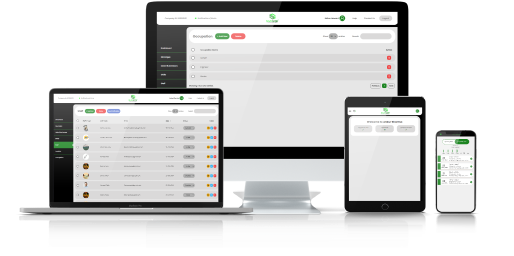



In today’s fast-paced business landscape, efficiency is key to staying ahead of the competition. Enter cloud-based workforce management software—an innovative solution that is revolutionizing how organizations manage their teams. By harnessing the power of the cloud, businesses can streamline operations, enhance communication, and optimize resource allocation like never before. This powerful technology not only reduces administrative burdens but also elevates employee engagement, paving the way for a more productive workforce. As companies increasingly adopt this transformative approach, they find themselves better equipped to handle challenges and seize growth opportunities. In this article, we’ll explore how cloud-based workforce management software can unlock unprecedented efficiency for your business, making it an essential tool in the modern workplace. Get ready to discover the myriad ways this technology can reshape your operations and drive success.
Key Features of Cloud-Based Workforce Management Solutions
Cloud-based workforce management solutions come equipped with an array of features designed to streamline and optimize various aspects of human resource management. One of the primary features is real-time data access and analytics. With these tools, managers can monitor workforce activities and performance metrics in real time, enabling swift decision-making and adjustments. This capability is crucial for maintaining high productivity levels and ensuring that resources are allocated efficiently across the organization.
Another significant feature is automated scheduling and rostering. Traditionally, creating shift schedules has been a time-consuming task prone to errors and discrepancies. Cloud-based software automates this process, ensuring that the right employees are assigned to the right tasks based on their availability, skills, and preferences. This not only reduces the administrative burden on managers but also minimizes scheduling conflicts and enhances employee satisfaction.
In addition to scheduling, cloud-based workforce management solutions often include features for time and attendance tracking. These systems use digital clock-ins and clock-outs, often through mobile apps, to accurately record employee work hours. This data is then directly integrated into payroll systems, reducing the likelihood of errors and ensuring that employees are compensated fairly and promptly. Moreover, the integration of such features helps in maintaining compliance with labor laws and regulations by providing accurate records and reports.
Benefits of Using Cloud-Based Workforce Management Software
The adoption of cloud-based workforce management software brings numerous benefits to businesses of all sizes and industries. One of the most compelling advantages is the ability to centralize data and streamline processes. With all workforce-related information stored in a single, secure location, managers can easily access and analyze data without the need for manual data entry or multiple disparate systems. This centralization leads to improved data accuracy and consistency across the organization.
Enhanced flexibility and scalability are also key benefits of cloud-based solutions. As businesses grow or experience fluctuations in workforce demand, cloud-based software can easily scale to accommodate these changes. This means that companies can add or remove users, modify functionalities, and adjust their subscription plans without significant disruptions or additional infrastructure costs. The flexibility of cloud solutions ensures that businesses can adapt quickly to changing market conditions and workforce needs.
Another notable benefit is the improved collaboration and communication fostered by cloud-based workforce management software. By providing a centralized platform accessible from any location with internet connectivity, employees and managers can communicate more effectively. This is particularly beneficial for organizations with remote or distributed teams, as it ensures that everyone stays connected and aligned with company goals and objectives. Enhanced communication leads to better teamwork, higher employee engagement, and ultimately, increased productivity.
How Cloud Solutions Enhance Employee Productivity
Employee productivity is a critical factor in the success of any business, and cloud-based workforce management software plays a pivotal role in enhancing it. One way it does this is by providing employees with greater autonomy and control over their schedules. With self-service portals and mobile apps, employees can view their schedules, request time off, and swap shifts with colleagues, all without needing managerial intervention. This empowerment leads to higher job satisfaction and motivation, as employees feel more in control of their work-life balance.
The automation of routine tasks is another way cloud solutions boost productivity. By automating time-consuming administrative tasks such as scheduling, payroll processing, and attendance tracking, managers and HR personnel can focus on more strategic activities that drive business growth. Automation reduces the likelihood of human error, ensures compliance with labor laws, and saves valuable time that can be redirected towards enhancing employee performance and development.
Additionally, cloud-based workforce management software provides valuable insights through data analytics. By analyzing workforce data, managers can identify trends, pinpoint areas for improvement, and make data-driven decisions that enhance productivity. For example, analytics can reveal patterns in employee absenteeism, enabling managers to address underlying issues and implement solutions to reduce absenteeism rates. The ability to make informed decisions based on real-time data is invaluable in creating a productive and efficient workplace.
Cost Savings: The Financial Impact of Cloud-Based Management
One of the most compelling reasons for businesses to adopt cloud-based workforce management software is the significant cost savings it offers. Traditional on-premises systems require substantial upfront investments in hardware, software, and IT infrastructure. In contrast, cloud-based solutions operate on a subscription-based model, which translates to lower initial costs and predictable ongoing expenses. This financial predictability is particularly advantageous for small and medium-sized enterprises (SMEs) looking to manage their budgets effectively.
Moreover, cloud-based solutions reduce the need for dedicated IT staff and resources. With the software hosted and maintained by the service provider, businesses can eliminate the costs associated with server maintenance, software updates, and system troubleshooting. This allows companies to allocate their IT resources to more strategic initiatives that drive innovation and competitive advantage.
The automation and integration capabilities of cloud-based workforce management software also contribute to cost savings. By automating administrative tasks such as payroll processing, attendance tracking, and compliance reporting, businesses can reduce the labor costs associated with manual processes. Additionally, the integration with other business systems, such as HR, finance, and ERP systems, ensures seamless data flow and reduces the risk of errors and redundancies. This leads to more efficient operations and ultimately, a healthier bottom line.
Integration with Existing Business Systems
Seamless integration with existing business systems is a critical factor in the successful implementation of cloud-based workforce management software. Modern cloud solutions are designed to integrate effortlessly with a wide range of enterprise applications, including HR management systems, payroll software, and enterprise resource planning (ERP) systems. This integration ensures that data flows smoothly between different systems, eliminating the need for manual data entry and reducing the risk of errors.
One of the key benefits of integration is the creation of a unified platform for managing all workforce-related activities. For example, when workforce management software is integrated with HR systems, employee data such as contact information, job roles, and performance metrics can be accessed and updated in real time. This not only streamlines HR processes but also ensures that managers have access to accurate and up-to-date information when making decisions about workforce allocation and development.
Integration with payroll systems is another critical aspect of cloud-based workforce management solutions. By connecting time and attendance data with payroll software, businesses can automate the calculation of wages, overtime, and deductions. This reduces the administrative burden on payroll staff and ensures that employees are paid accurately and on time. Furthermore, integration with ERP systems can provide valuable insights into labor costs and productivity, helping businesses optimize their resource allocation and improve overall efficiency.
Case Studies: Success Stories of Cloud-Based Workforce Management
To illustrate the transformative impact of cloud-based workforce management software, let’s explore a few success stories from businesses that have adopted this technology. One such example is a retail chain that faced challenges in managing its large, geographically dispersed workforce. By implementing a cloud-based solution, the company was able to centralize scheduling, automate time and attendance tracking, and improve communication across its locations. The result was a significant reduction in administrative overhead, improved employee satisfaction, and a more efficient operation.
Another success story comes from a healthcare organization that struggled with complex scheduling requirements and compliance with labor regulations. By adopting cloud-based workforce management software, the organization was able to automate the scheduling process, ensuring that shifts were assigned based on employee availability, skills, and regulatory requirements. This not only reduced the administrative burden on managers but also improved compliance and reduced the risk of penalties. Additionally, the software provided valuable insights into workforce productivity, enabling the organization to optimize its staffing levels and improve patient care.
A third example is a manufacturing company that faced challenges in managing its diverse workforce and maintaining accurate records of employee work hours. By implementing a cloud-based solution, the company was able to automate time and attendance tracking, integrate with its existing payroll system, and provide employees with self-service access to their schedules and time-off requests. This led to improved accuracy in payroll processing, reduced administrative costs, and higher employee satisfaction. The company also gained valuable insights into labor costs and productivity, which helped it make data-driven decisions to improve operational efficiency.
Choosing the Right Cloud-Based Workforce Management Software
Selecting the right cloud-based workforce management software is a critical decision that can have a lasting impact on your business. To make an informed choice, it is essential to consider several factors. First and foremost, evaluate the software’s features and capabilities to ensure they align with your organization’s specific needs. Look for solutions that offer comprehensive functionality, including scheduling, time and attendance tracking, and real-time analytics.
Another important consideration is the software’s ease of use and user experience. A user-friendly interface is crucial for ensuring that employees and managers can quickly adopt and effectively use the software. Look for solutions that offer intuitive navigation, self-service portals, and mobile access, as these features can significantly enhance user satisfaction and engagement.
It’s also important to assess the software’s scalability and flexibility. As your business grows and evolves, your workforce management needs may change. Choose a solution that can easily scale to accommodate changes in workforce size, complexity, and geographic distribution. Additionally, consider the software’s integration capabilities with your existing business systems, such as HR, payroll, and ERP systems. Seamless integration ensures that data flows smoothly between different systems, reducing the risk of errors and improving overall efficiency.
Future Trends in Workforce Management Technology
The landscape of workforce management technology is continually evolving, driven by advancements in artificial intelligence (AI), machine learning, and data analytics. One of the emerging trends is the use of AI-powered workforce management solutions that can predict workforce needs, optimize scheduling, and provide personalized recommendations for employee development. By leveraging AI, businesses can make more informed decisions and improve operational efficiency.
Another trend is the increasing adoption of mobile workforce management solutions. With the rise of remote work and the gig economy, businesses are seeking solutions that enable employees and managers to access workforce management tools from any location. Mobile apps that provide real-time access to schedules, time tracking, and communication tools are becoming essential for organizations with distributed teams.
The integration of workforce management software with other emerging technologies, such as the Internet of Things (IoT) and blockchain, is also on the horizon. IoT devices can provide real-time data on employee location, equipment usage, and environmental conditions, enhancing workforce safety and productivity. Blockchain technology can improve the security and transparency of workforce-related transactions, such as payroll processing and compliance reporting.
Conclusion: Embracing the Cloud for Business Efficiency
In conclusion, cloud-based workforce management software is a powerful tool that can transform your business by enhancing efficiency, improving communication, and optimizing resource allocation. By centralizing data, automating administrative tasks, and providing real-time insights, this technology enables businesses to streamline operations and make data-driven decisions. The benefits extend beyond cost savings, encompassing improved employee engagement, higher productivity, and better compliance with labor regulations.
As businesses navigate the complexities of the modern workplace, adopting cloud-based workforce management solutions is no longer a luxury but a necessity. The flexibility, scalability, and integration capabilities of these solutions make them ideal for organizations of all sizes and industries. By choosing the right software and staying abreast of emerging trends, businesses can unlock unprecedented efficiency and drive long-term success.
Embracing the cloud is not just about staying competitive; it’s about creating a more agile, responsive, and productive workforce. As we move forward, the continued evolution of workforce management technology promises to bring even greater opportunities for innovation and growth. By leveraging the power of the cloud, businesses can position themselves for success in an ever-changing, fast paced sector.
