
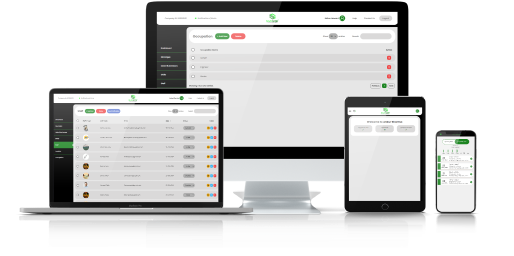



Shiftspan

Simplify your workforce management system. We are here to help!

Book a consultation call with us to find out how we can save you admin time and costs. Just fill out the form and book a time that works for you. 

Find out how the Shiftspan platform can benefit your business

Learn how we can save you and your team time and provide work flexibility

Get all your questions answered by our team.

Everything you need in one place

“Getting Shiftspan set up is actually very easy. I’m impressed by how everything is accessible instantly”

A detailed checklist on how to run a more efficient workforce.

download a free copy below:


    Workforce
    logo

    Revolutionize Your Small Business with Top HR Software Solutions

    Does your small business struggle to keep up with human resources demands? Say goodbye to endless paperwork and inefficient processes with our top HR software solutions! This article delves into how revolutionary HR technology can streamline your operations, boost productivity, and enhance employee satisfaction. With the right tools in place, you can focus on growing your business while automated systems take care of essential HR tasks. From managing payroll and benefits to tracking performance and attendance, these software solutions are a game-changer for small businesses looking to compete in today’s fast-paced market. Discover how embracing innovation in your HR processes can transform the way you do business and propel your company to new heights. Revolutionize your approach to HR management and unlock the full potential of your small business with the right software at your fingertips.

    Understanding the Importance of HR Software for Small Businesses

    In today’s dynamic business environment, the importance of Human Resources (HR) cannot be overstated, especially for small businesses. As these enterprises strive to compete with larger organizations, effective management of human resources becomes crucial. HR software serves as a vital tool, enabling small businesses to streamline their operations, improve efficiency, and reduce the burden of administrative tasks. By automating HR functions, such as payroll processing, shifts scheduling, and time tracking, small businesses can allocate more resources towards growth and innovation.

    Moreover, HR software enhances compliance with labor laws and regulations, which is especially important for small businesses that may lack the legal expertise of larger firms. With features designed to keep track of employee records and ensure adherence to various legal requirements, HR software can help mitigate risks associated with non-compliance. This not only protects the business from potential legal issues but also fosters a culture of transparency and accountability, which is essential for any organization’s success.

    Additionally, the implementation of HR software can lead to improved employee engagement and satisfaction. By providing employees with easy access to their personal information, benefits, and company policies, businesses demonstrate a commitment to their workforce. This empowerment can significantly boost morale and productivity, creating a more positive work environment. In essence, adopting HR software is not just about managing human resources; it is about cultivating a thriving workplace where both the business and its employees can flourish.

    Key Features to Look For in HR Software Solutions

    When selecting HR software for your small business, it is essential to consider key features that cater specifically to your unique needs. One of the most crucial aspects is the software’s ability to handle payroll processing accurately and efficiently. Look for solutions that offer automated payroll calculations, tax management, and compliance features that reduce the likelihood of errors and ensure timely payments. This functionality is vital for maintaining employee satisfaction and trust, as payroll is one of the most sensitive aspects of HR management.

    Another important feature to consider is employee self-service capabilities. HR software that allows employees to keep updated on their shift patterns, submit requests for time off, and update personal information fosters autonomy and reduces the workload on HR personnel. This not only streamlines processes but also leads to a more empowered workforce. Furthermore, the ability to generate reports related to employee performance and attendance can provide valuable insights, aiding in better decision-making and resource allocation.

    Benefits of Implementing HR Software in Your Small Business

    Implementing HR software can yield numerous benefits for small businesses, significantly influencing their overall performance and growth trajectory. One of the most noticeable advantages is the time saved through automation. Routine tasks such as shift scheduling, employee onboarding, and time tracking can be handled more efficiently, freeing up valuable time for HR professionals to focus on strategic initiatives that drive business growth. This shift from administrative tasks to strategic planning enhances the overall productivity of the HR department.

    Moreover, HR software enhances data management and security. With sensitive employee information stored securely in a centralized system, businesses can better protect against data breaches and unauthorized access. Robust security features, such as encryption and user authentication, ensure that only authorized personnel can access sensitive information. This not only safeguards the company’s reputation but also builds trust with employees, who feel confident that their personal data is being handled securely.

    Additionally, the analytical capabilities of modern HR software provide small businesses with valuable insights into workforce trends and performance metrics. By leveraging data analytics, companies can identify areas for improvement, track employee engagement, and forecast future staffing needs. These insights enable small businesses to make informed decisions that align with their strategic goals, ultimately fostering a culture of continuous improvement and adaptability in an ever-changing market.

    How to Choose the Right HR Software for Your Small Business

    Choosing the right HR software for your small business requires careful evaluation of your specific needs and long-term goals. Start by identifying the key HR functions that require improvement within your organization. For instance, if shift scheduling is a major pain point, prioritize software solutions that excel in this area. Conversely, if employee engagement and performance tracking are your primary concerns, look for software that offers robust analytics and reporting tools.

    It is also essential to consider the scalability of the HR software. As your business grows, your HR needs will evolve. Therefore, opt   software that can accommodate increased complexity and additional features as required. A flexible solution that allows for easy upgrades and integration with other systems will save you from the hassle of switching platforms in the future.

    Furthermore, don’t underestimate the importance of user experience. The selected HR software should be intuitive and accessible to all employees, not just the HR team. Conduct demonstrations or trials to assess how easily your team can navigate the software. Gathering feedback from potential users during the selection process can provide valuable insights and ensure that the tool chosen aligns with the needs of the entire organization.

    Implementing HR Software Effectively in Your Small Business

    Once you have selected the appropriate HR software, the next step is to implement it effectively within your small business. A well-planned implementation strategy is crucial for maximizing the benefits of the software and minimizing disruptions to your operations. Start by establishing a dedicated implementation team that includes key stakeholders from HR, IT, and management. This collaborative approach ensures that all perspectives are considered and helps in addressing any potential challenges early on.

    Next, create a detailed implementation timeline that outlines the various phases of the rollout. This timeline should include milestones such as data migration, system configuration, and testing. It is also important to communicate the plan to all employees, setting clear expectations regarding the transition process. Transparency during this phase will help alleviate any concerns and prepare your workforce for the upcoming changes.

    During the implementation process, don’t overlook the importance of data accuracy. Ensure that all employee information is correctly migrated to the new system to avoid discrepancies later on. Conduct thorough testing of the software to identify any issues before it goes live. Once the system is operational, continue to monitor its performance and gather feedback from users to make any necessary adjustments. This proactive approach will help ensure that the HR software is effectively supporting your business objectives.

    Training and Support for HR Software Users

    Training is a fundamental component of successfully integrating HR software into your small business. Providing comprehensive training for all users ensures that employees feel comfortable navigating the new system and utilizing its features effectively. Start by developing a training program that includes various formats, such as in-person workshops, online tutorials, and instructional documentation. This diverse approach accommodates different learning styles and helps reinforce the training material.

    Additionally, consider appointing software champions within your organization. These individuals can serve as go-to resources for their colleagues, providing assistance and guidance as needed. Having designated champions fosters a sense of ownership and encourages employees to engage with the new system more proactively. Moreover, regular check-ins and refresher training sessions can help reinforce skills and keep employees updated on any new features or updates.

    Support options are equally important in ensuring user satisfaction with the HR software. Look for solutions that offer robust customer support, including live chat, email assistance, and a comprehensive knowledge base. This support can be invaluable during the initial stages of implementation and beyond, as users may encounter challenges or have questions about specific functionalities. A strong support system enhances user confidence and ensures that the software is utilized to its full potential.

    Cost Considerations for HR Software Implementation

    Cost is a significant factor when considering the implementation of HR software for your small business. While investing in technology can yield substantial long-term benefits, it is essential to have a clear understanding of both upfront and ongoing costs. Start by evaluating the pricing structures of various software solutions, which may include subscription fees, implementation costs, and potential add-on expenses for additional features or integrations.

    In addition to direct costs, consider the potential return on investment (ROI) associated with the software. Analyzing how much time and resources can be saved through automation can help justify the initial expenditure. For instance, if HR software can significantly reduce the time spent on shift scheduling, it allows HR personnel to focus on strategic initiatives that contribute to business growth, thereby providing a tangible ROI.

    Lastly, keep in mind that investing in training and support is equally important when budgeting for HR software implementation. Proper training ensures that employees can effectively utilize the software, maximizing its benefits and reducing the likelihood of costly mistakes. By taking a comprehensive approach to budgeting, small businesses can make informed decisions about HR software investments that align with their financial capabilities and strategic objectives.

    Conclusion: Embracing HR Software for Small Business Success

    In conclusion, the adoption of HR software is an essential step for small businesses aiming to thrive in today’s competitive landscape. By understanding the importance of HR technology and selecting the right solutions, small businesses can streamline their operations, enhance employee engagement, and improve compliance. The key features to look for, such as shift scheduling, employee self-service, and employee communication capabilities, play a crucial role in ensuring that the software meets the specific needs of the organization.

    The benefits of implementing HR software extend beyond mere efficiency gains; they encompass improved data management, enhanced employee satisfaction, and valuable analytical insights. As small businesses navigate the complexities of growth, effective implementation and training become paramount to success. By investing in the right tools and supporting their workforce, small businesses can create an environment that fosters innovation and adaptability.

    Ultimately, embracing HR software is not just about automating processes; it is about empowering employees and positioning the organization for long-term success. As you embark on your journey towards revolutionizing HR management, remember that the right software can unlock the full potential of your small business, paving the way for a brighter and more prosperous future.

    Unlocking Efficiency: How Cloud-Based Workforce Management Software Transforms Your Business

    In today’s fast-paced business landscape, efficiency is key to staying ahead of the competition. Enter cloud-based workforce management software—an innovative solution that is revolutionizing how organizations manage their teams. By harnessing the power of the cloud, businesses can streamline operations, enhance communication, and optimize resource allocation like never before. This powerful technology not only reduces administrative burdens but also elevates employee engagement, paving the way for a more productive workforce. As companies increasingly adopt this transformative approach, they find themselves better equipped to handle challenges and seize growth opportunities. In this article, we’ll explore how cloud-based workforce management software can unlock unprecedented efficiency for your business, making it an essential tool in the modern workplace. Get ready to discover the myriad ways this technology can reshape your operations and drive success.

    Key Features of Cloud-Based Workforce Management Solutions

    Cloud-based workforce management solutions come equipped with an array of features designed to streamline and optimize various aspects of human resource management. One of the primary features is real-time data access and analytics. With these tools, managers can monitor workforce activities and performance metrics in real time, enabling swift decision-making and adjustments. This capability is crucial for maintaining high productivity levels and ensuring that resources are allocated efficiently across the organization.

    Another significant feature is automated scheduling and rostering. Traditionally, creating shift schedules has been a time-consuming task prone to errors and discrepancies. Cloud-based software automates this process, ensuring that the right employees are assigned to the right tasks based on their availability, skills, and preferences. This not only reduces the administrative burden on managers but also minimizes scheduling conflicts and enhances employee satisfaction.

    In addition to scheduling, cloud-based workforce management solutions often include features for time and attendance tracking. These systems use digital clock-ins and clock-outs, often through mobile apps, to accurately record employee work hours. This data is then directly integrated into payroll systems, reducing the likelihood of errors and ensuring that employees are compensated fairly and promptly. Moreover, the integration of such features helps in maintaining compliance with labor laws and regulations by providing accurate records and reports.

    Benefits of Using Cloud-Based Workforce Management Software

    The adoption of cloud-based workforce management software brings numerous benefits to businesses of all sizes and industries. One of the most compelling advantages is the ability to centralize data and streamline processes. With all workforce-related information stored in a single, secure location, managers can easily access and analyze data without the need for manual data entry or multiple disparate systems. This centralization leads to improved data accuracy and consistency across the organization.

    Enhanced flexibility and scalability are also key benefits of cloud-based solutions. As businesses grow or experience fluctuations in workforce demand, cloud-based software can easily scale to accommodate these changes. This means that companies can add or remove users, modify functionalities, and adjust their subscription plans without significant disruptions or additional infrastructure costs. The flexibility of cloud solutions ensures that businesses can adapt quickly to changing market conditions and workforce needs.

    Another notable benefit is the improved collaboration and communication fostered by cloud-based workforce management software. By providing a centralized platform accessible from any location with internet connectivity, employees and managers can communicate more effectively. This is particularly beneficial for organizations with remote or distributed teams, as it ensures that everyone stays connected and aligned with company goals and objectives. Enhanced communication leads to better teamwork, higher employee engagement, and ultimately, increased productivity.

    How Cloud Solutions Enhance Employee Productivity

    Employee productivity is a critical factor in the success of any business, and cloud-based workforce management software plays a pivotal role in enhancing it. One way it does this is by providing employees with greater autonomy and control over their schedules. With self-service portals and mobile apps, employees can view their schedules, request time off, and swap shifts with colleagues, all without needing managerial intervention. This empowerment leads to higher job satisfaction and motivation, as employees feel more in control of their work-life balance.

    The automation of routine tasks is another way cloud solutions boost productivity. By automating time-consuming administrative tasks such as scheduling, payroll processing, and attendance tracking, managers and HR personnel can focus on more strategic activities that drive business growth. Automation reduces the likelihood of human error, ensures compliance with labor laws, and saves valuable time that can be redirected towards enhancing employee performance and development.

    Additionally, cloud-based workforce management software provides valuable insights through data analytics. By analyzing workforce data, managers can identify trends, pinpoint areas for improvement, and make data-driven decisions that enhance productivity. For example, analytics can reveal patterns in employee absenteeism, enabling managers to address underlying issues and implement solutions to reduce absenteeism rates. The ability to make informed decisions based on real-time data is invaluable in creating a productive and efficient workplace.

    Cost Savings: The Financial Impact of Cloud-Based Management

    One of the most compelling reasons for businesses to adopt cloud-based workforce management software is the significant cost savings it offers. Traditional on-premises systems require substantial upfront investments in hardware, software, and IT infrastructure. In contrast, cloud-based solutions operate on a subscription-based model, which translates to lower initial costs and predictable ongoing expenses. This financial predictability is particularly advantageous for small and medium-sized enterprises (SMEs) looking to manage their budgets effectively.

    Moreover, cloud-based solutions reduce the need for dedicated IT staff and resources. With the software hosted and maintained by the service provider, businesses can eliminate the costs associated with server maintenance, software updates, and system troubleshooting. This allows companies to allocate their IT resources to more strategic initiatives that drive innovation and competitive advantage.

    The automation and integration capabilities of cloud-based workforce management software also contribute to cost savings. By automating administrative tasks such as payroll processing, attendance tracking, and compliance reporting, businesses can reduce the labor costs associated with manual processes. Additionally, the integration with other business systems, such as HR, finance, and ERP systems, ensures seamless data flow and reduces the risk of errors and redundancies. This leads to more efficient operations and ultimately, a healthier bottom line.

    Integration with Existing Business Systems

    Seamless integration with existing business systems is a critical factor in the successful implementation of cloud-based workforce management software. Modern cloud solutions are designed to integrate effortlessly with a wide range of enterprise applications, including HR management systems, payroll software, and enterprise resource planning (ERP) systems. This integration ensures that data flows smoothly between different systems, eliminating the need for manual data entry and reducing the risk of errors.

    One of the key benefits of integration is the creation of a unified platform for managing all workforce-related activities. For example, when workforce management software is integrated with HR systems, employee data such as contact information, job roles, and performance metrics can be accessed and updated in real time. This not only streamlines HR processes but also ensures that managers have access to accurate and up-to-date information when making decisions about workforce allocation and development.

    Integration with payroll systems is another critical aspect of cloud-based workforce management solutions. By connecting time and attendance data with payroll software, businesses can automate the calculation of wages, overtime, and deductions. This reduces the administrative burden on payroll staff and ensures that employees are paid accurately and on time. Furthermore, integration with ERP systems can provide valuable insights into labor costs and productivity, helping businesses optimize their resource allocation and improve overall efficiency.

    Case Studies: Success Stories of Cloud-Based Workforce Management

    To illustrate the transformative impact of cloud-based workforce management software, let’s explore a few success stories from businesses that have adopted this technology. One such example is a retail chain that faced challenges in managing its large, geographically dispersed workforce. By implementing a cloud-based solution, the company was able to centralize scheduling, automate time and attendance tracking, and improve communication across its locations. The result was a significant reduction in administrative overhead, improved employee satisfaction, and a more efficient operation.

    Another success story comes from a healthcare organization that struggled with complex scheduling requirements and compliance with labor regulations. By adopting cloud-based workforce management software, the organization was able to automate the scheduling process, ensuring that shifts were assigned based on employee availability, skills, and regulatory requirements. This not only reduced the administrative burden on managers but also improved compliance and reduced the risk of penalties. Additionally, the software provided valuable insights into workforce productivity, enabling the organization to optimize its staffing levels and improve patient care.

    A third example is a manufacturing company that faced challenges in managing its diverse workforce and maintaining accurate records of employee work hours. By implementing a cloud-based solution, the company was able to automate time and attendance tracking, integrate with its existing payroll system, and provide employees with self-service access to their schedules and time-off requests. This led to improved accuracy in payroll processing, reduced administrative costs, and higher employee satisfaction. The company also gained valuable insights into labor costs and productivity, which helped it make data-driven decisions to improve operational efficiency.

    Choosing the Right Cloud-Based Workforce Management Software

    Selecting the right cloud-based workforce management software is a critical decision that can have a lasting impact on your business. To make an informed choice, it is essential to consider several factors. First and foremost, evaluate the software’s features and capabilities to ensure they align with your organization’s specific needs. Look for solutions that offer comprehensive functionality, including scheduling, time and attendance tracking, and real-time analytics.

    Another important consideration is the software’s ease of use and user experience. A user-friendly interface is crucial for ensuring that employees and managers can quickly adopt and effectively use the software. Look for solutions that offer intuitive navigation, self-service portals, and mobile access, as these features can significantly enhance user satisfaction and engagement.

    It’s also important to assess the software’s scalability and flexibility. As your business grows and evolves, your workforce management needs may change. Choose a solution that can easily scale to accommodate changes in workforce size, complexity, and geographic distribution. Additionally, consider the software’s integration capabilities with your existing business systems, such as HR, payroll, and ERP systems. Seamless integration ensures that data flows smoothly between different systems, reducing the risk of errors and improving overall efficiency.

    Future Trends in Workforce Management Technology

    The landscape of workforce management technology is continually evolving, driven by advancements in artificial intelligence (AI), machine learning, and data analytics. One of the emerging trends is the use of AI-powered workforce management solutions that can predict workforce needs, optimize scheduling, and provide personalized recommendations for employee development. By leveraging AI, businesses can make more informed decisions and improve operational efficiency.

    Another trend is the increasing adoption of mobile workforce management solutions. With the rise of remote work and the gig economy, businesses are seeking solutions that enable employees and managers to access workforce management tools from any location. Mobile apps that provide real-time access to schedules, time tracking, and communication tools are becoming essential for organizations with distributed teams.

    The integration of workforce management software with other emerging technologies, such as the Internet of Things (IoT) and blockchain, is also on the horizon. IoT devices can provide real-time data on employee location, equipment usage, and environmental conditions, enhancing workforce safety and productivity. Blockchain technology can improve the security and transparency of workforce-related transactions, such as payroll processing and compliance reporting.

    Conclusion: Embracing the Cloud for Business Efficiency

    In conclusion, cloud-based workforce management software is a powerful tool that can transform your business by enhancing efficiency, improving communication, and optimizing resource allocation. By centralizing data, automating administrative tasks, and providing real-time insights, this technology enables businesses to streamline operations and make data-driven decisions. The benefits extend beyond cost savings, encompassing improved employee engagement, higher productivity, and better compliance with labor regulations.

    As businesses navigate the complexities of the modern workplace, adopting cloud-based workforce management solutions is no longer a luxury but a necessity. The flexibility, scalability, and integration capabilities of these solutions make them ideal for organizations of all sizes and industries. By choosing the right software and staying abreast of emerging trends, businesses can unlock unprecedented efficiency and drive long-term success.

    Embracing the cloud is not just about staying competitive; it’s about creating a more agile, responsive, and productive workforce. As we move forward, the continued evolution of workforce management technology promises to bring even greater opportunities for innovation and growth. By leveraging the power of the cloud, businesses can position themselves for success in an ever-changing, fast paced sector.

    How Workforce Management Software Turns Chaos into Clarity

    Many organisations are still applying traditional ways of workforce management and are yet to consider software as a way of transforming their approach.  Whilst the challenges remain the same, your ways of managing them don’t have to.

    From keeping a check on employee schedules, to managing shifts, payroll and ensuring communication is maintained, workforce management can quickly become overwhelming and sometimes chaotic.  Where chaos is present, employees can become frustrated resulting in unhappiness and dips in productivity.

    Workforce management software offers the perfect solution, streamlining HR administrative duties enhancing efficiency of the workplace management and optimising employee communication.

    What are the Key Challenges of Workforce Management?

    Many organisations find that outdated systems, manual processes that take up huge amounts of time.  Inconsistencies with shift management, timesheets and much more can hinder their operations and the way the workforce operates.

    Inefficient processes lead to increased labour costs, admin errors and overall employee dissatisfaction. Without a centralised system, errors become commonplace, miscommunication occurs, and compliance issues can put the business at risk.  This impacts productivity, profitability and a company’s reputation.

    The Role of Workforce Management Software

    Workforce management software addresses these challenges head on by automating and optimising various HR and Payroll tasks.

    Here are some key benefits:

    1. Streamlined Scheduling and Time Tracking

    Using a digital solution allows managers to create efficient schedules that align with project requirements, seasonal fluctuations and employee availability. Automated time tracking ensures accurate recording of work hours, reducing payroll errors and labour costs.

    2. Improved Compliance and Risk Management

    Ensuring you are adhering to employment law and company policies is critical. Workforce management software helps organisations comply with regulations by automating overtime calculations, break periods, and ensuring fair scheduling practices.

    3. Enhanced Employee Engagement and Productivity

    Employees can benefit from the improved channels of communication, such as queries about shifts, raising issues, real-time updates, and leave requests, leading to greater job satisfaction and reduced absenteeism.

    4. Optimised Payroll Processing

    Integrating a workforce management system with payroll systems eliminates manual data entry, reducing the risk of errors and ensuring employees receive their pay accurately and on time.

    5. Data-Driven Decision Making

    Advanced analytics and access to reporting tools provides unique insights into your workforce, productivity levels, and workforce costs, enabling you to make informed decisions to make changes.

    To successfully implement the right workforce management software solution, you should always identify your precise pain points and key objectives for the company size, industry, and any other specific requirements.

    Workforce management software transforms chaotic, manual processes into streamlined, efficient operations.

    We help companies drive long term success with Shiftspan.  It’s a feature rich solution designed to automate, streamline and deliver a more effective way of managing employees, administrative tasks and communication.

    Workforce Management Simplified: The Software Revolution You Need

    The need for efficient and effective workforce management is ever present in business.

    Whether you run a small business or manage a large organisation, overseeing employee schedules, tracking attendance, ensuring compliance, and optimising productivity can be a daunting task.

    That’s where workforce management software comes in. It’s a game-changer that’s revolutionising how organisations operate.

    In this post, we’ll explore why workforce management is so important, how software is simplifying the process, and the key benefits it brings to your organisation.

    The Growing Need for Effective Workforce Management

    Managing a workforce goes beyond just organising shifts or approving time-off requests. It’s about aligning your workforce’s activities with the overall goals of your business. Effective workforce management ensures that the right people are in the right place at the right time, contributing to both employee satisfaction and business success.

    However, relying on manual processes for managing your workforce can result in significant inefficiencies. Manual scheduling, time tracking, and reporting are prone to human error, leading to problems like missed shifts, payroll discrepancies, and compliance issues. These mistakes can not only hurt your bottom line but also damage employee morale and trust.

    This is where workforce management software steps in, simplifying these tasks and allowing businesses to operate more efficiently. But how exactly does it work?

    The Software Revolution: How Workforce Management Software Works

    Workforce management software offers businesses a comprehensive suite of tools designed to streamline various aspects of employee management. From scheduling to compliance, these tools integrate seamlessly to create a unified system that empowers managers to make data-driven decisions quickly.

    1. Optimised Scheduling: Gone are the days of manually crafting shift schedules or relying on Excel spreadsheets. Workforce management software allows managers to create dynamic, optimised schedules that consider not just business demands but also employee availability and preferences. This results in better employee satisfaction and fewer conflicts.
    2. Real-Time Tracking: One of the most valuable features of workforce management software is its ability to track attendance and productivity in real time. With features like time clocks and mobile apps, employees can easily check in and out, while managers can monitor staffing levels and make immediate adjustments as needed.
    3. Analytics for Smarter Decisions: The software doesn’t just collect data—it analyses it. By examining trends in attendance, performance, and turnover, managers can make proactive decisions that help improve workforce efficiency. For example, predictive analytics can help forecast staffing needs based on historical data, reducing both overstaffing and understaffing.
    4. Compliance Assurance: Staying compliant with employment laws and regulations can be a minefield. With built-in compliance tools, workforce management software ensures that your business adheres to the necessary legal requirements, including overtime rules, minimum wage regulations, and scheduling restrictions.

    Key Benefits of Workforce Management Software

    Investing in workforce management software offers tangible benefits that can significantly improve your organisation’s operations:

    • Increased Productivity: Automation removes the need for time-consuming manual tasks like scheduling and data entry. This allows your HR and management teams to focus on higher-level tasks such as strategic planning and team development.
    • Cost Savings: By optimising schedules and reducing errors, workforce management software can help you minimise overtime, prevent overstaffing, and avoid costly compliance violations. In the long run, this leads to significant savings for your business.
    • Better Employee Satisfaction: Transparency, flexibility, and fair scheduling improve employee satisfaction and engagement. Happy employees are more likely to stay with your organisation, reducing turnover and the costs associated with hiring and training new staff.
    • Scalability: Whether you’re a small business with a handful of employees or a multinational corporation with thousands of staff members, workforce management software can scale to meet your needs. As your business grows, your software can grow with it, accommodating more employees, locations, and complex scheduling needs.

    The Future of Workforce Management

    As technology continues to evolve, workforce management software is becoming even more sophisticated. Artificial intelligence (AI) and machine learning are being integrated into these platforms, allowing businesses to automate tasks like forecasting, scheduling, and performance evaluations. The future holds even greater potential for businesses that embrace these technologies, enabling them to become more agile, efficient, and responsive to changing market conditions.

    In the end, workforce management software is more than just a tool, it’s a strategic investment that can propel your organisation forward, improving efficiency, cutting costs, and creating a happier, more engaged workforce.

    Workforce management doesn’t have to be complicated. With the right software, businesses can streamline operations, ensure compliance, and optimise productivity, all while creating a better experience for employees.

    It’s the key to staying ahead of the curve and building a workforce that drives success.

    Conquer Chaos, Craft Excellence: How Shiftspan Empowers Your Construction & Trades Crew

    The construction and trades industry thrives on meticulous planning, skilled hands, and efficient teamwork. But managing it all? That can feel like wrestling a herd of…well, something very large and unpredictable.

    Enter Shiftspan, the mobile workforce management platform built to conquer your scheduling chaos and craft operational excellence. Here’s how Shiftspan empowers your construction and trades crews:

    Streamlined Scheduling: Gone are the days of paper calendars and phone tags. Assign Shifts, track progress (Geo location) for each crew in real-time, manage availability, and facilitate communication between all project stakeholders.

    Real-Time Communication: Miscommunication costs projects time and money. Shiftspan keeps everyone in the loop with instant messaging, task updates, and project notes accessible 24/7. Crew members and their employers can ask questions, share progress, and stay aligned for a seamless workflow.

    Compliance Confidence: Navigating regulations in construction and trades can be a headache. Shiftspan simplifies it with built-in modules tracking worker certifications and important documentation within the platform.

    Enhanced Visibility: Stay on top of project progress with real-time job site updates, crew location tracking, and automated time sheets.

    Happy, Productive Crews: Happy crews work better. Shiftspan fosters engagement with self-service scheduling, transparent communication, and recognition tools. Watch morale soar, productivity and employee turnover plummet as you cultivate a crew that’s proud to be part of your team.

    Benefits beyond the surface:

    • Improved client satisfaction: Happy, efficient crews deliver projects on time and on budget, leading to satisfied clients and repeat business.
    • Reduced risk and liabilities: Clear communication, compliance tools, and accurate timekeeping minimize risks and potential liabilities.
    • Scalability for growth: Accommodate new projects, expanding teams, and changing needs with Shiftspan’s adaptable platform.

    Don’t just take our word for it:

    “Since using Shiftspan, our scheduling conflicts have dropped by 40%, and crew communication has improved dramatically. We’re saving time, money, and stress, and our clients are happier than ever!” – John Smith, Owner, Smith Construction

    Ready to transform your construction and trades operation?

    Take advantage of our 3-month FREE trial or schedule a free demo today and see how Shiftspan can help you build a stronger, happier, and more efficient team. Let’s leave the chaos behind and start crafting construction excellence together.

    Cultivating Compassionate Care: How Technology Improves Home & Social Care

    Home and social care is a vital sector, providing invaluable support to individuals needing assistance with daily living. However managing the complexities of scheduling, compliance, and communication can be challenging for care providers. Fortunately, technology like Shiftspan offers innovative solutions, empowering care providers to deliver compassionate care and improve the lives of those they serve.

    The Challenges of Home & Social Care:

    • Complexities of Scheduling: Coordinating schedules for caregivers, clients, and general staff can be a logistical nightmare, leading to missed appointments and disrupted routines.
    • Ensuring Compliance: Navigating diverse regulatory requirements and care plans adds another layer of complexity for care providers.
    • Communication Gaps: Effective communication between caregivers, clients, families, and medical professionals is crucial, but traditional methods can be fragmented and inefficient.
    • Staff Engagement and Retention: High workloads and emotional demands can lead to caregiver burnout and turnover, impacting the quality of care.

    How Shiftspan Revolutionizes Home & Social Care:

    • Mobile-First Scheduling: Shiftspan’s intuitive mobile app simplifies scheduling with drag-and-drop functionality, real-time updates, and geo-location tracking features. This ensures flexible, time-efficient scheduling that respects both the caregiver and the employer.
    • Seamless Communication: Secure messaging and instant update features within the staff app and client panel facilitate efficient communication between caregivers and their employers, ensuring everyone is informed and involved.
    • Boosting Engagement and Retention: The app offers self-service flexible scheduling options, fostering a sense of community and empowerment among caregivers, leading to higher morale and reduced turnover.

    Benefits for Care Providers:

    • Reduced administrative burden: Less time spent on paperwork and managing schedules translates to more time spent delivering care.
    • Improved compliance and safety: Automated reminders and built-in tools minimize compliance risks and promote safe care practices.
    • Enhanced communication and collaboration: Streamlined communication channels lead to more informed decision-making and better care coordination.
    • Happier and more engaged staff: Increased morale and reduced turnover translates to a more stable and dedicated workforce.

    Benefits for Clients and Families:

    • Improved care quality and continuity: Consistent care due to optimized scheduling and better communication leads to better outcomes.

    A Brighter Future for Home & Social Care:

    By embracing technology like Shiftspan, home and social care providers can overcome challenges, streamline operations, and deliver compassionate, client-centred care. This leads to a happier, more engaged workforce, improved compliance, and ultimately, a better quality of life for those who rely on these vital services.

    Ready to transform your home and social care organization? Take advantage of our 3-month FREE trial or contact Shiftspan today and discover how our technology can empower you to provide exceptional care with greater efficiency and effectiveness.

    Unwrap Exceptional Customer Service: How Shiftspan Empowers Your Retail Workforce

    In the hyper-competitive world of retail, delivering exceptional customer service is no longer a luxury – it’s the key to unlocking loyalty, repeat business, and positive brand perception. However managing a dynamic retail workforce, juggling fluctuating customer demands, and ensuring seamless scheduling can be complex. That’s where Shiftspan steps in, the mobile-first workforce management platform designed to revolutionize your retail operations.

    Imagine:

    • No more paper schedules and spreadsheets. Shiftspan’s intuitive interface makes scheduling employees across departments and shifts a breeze. Optimize schedules based on anticipated customer traffic, peak sales periods, and employee availability, all from your mobile device.
    • Happy employees, happy customers. Empower your team with scheduling tools and transparent communication channels, Shift management tools and instant messaging features facilitate clear communication between departments, improving operational efficiency.
    • Goodbye, compliance headaches. Important document uploads ensure compliance with labour laws regarding breaks, overtime pay, and minimum wage. Spend less time worrying about paperwork and more time focusing on delivering exceptional experiences.
    • Seamlessly adapt to your evolving needs. Whether you’re opening a new store, launching a seasonal campaign, or managing special events, Shiftspan scales alongside your business. Our platform accommodates growing teams, new locations, and changing sales patterns.

    But don’t just take our word for it:

    JESTO BOUTIQUE, a local fashion retailer, saw a 20% increase in customer satisfaction scores after implementing Shiftspan. They attribute this success to improved employee engagement and efficient shift management and scheduling, allowing staff to be flexible with their working schedules.

    Unleash the Retail Powerhouse Within:

    Shiftspan empowers you to create a thriving, engaged, and compliant retail workforce. By streamlining scheduling, boosting employee engagement, and ensuring compliance, you can unlock your team’s true potential and deliver exceptional customer service that keeps them coming back for more.

    Ready to transform your retail experience? Take advantage of our 3-month FREE trial or contact us today to schedule a demo and discover how Shiftspan can help you unleash your retail powerhouse within!